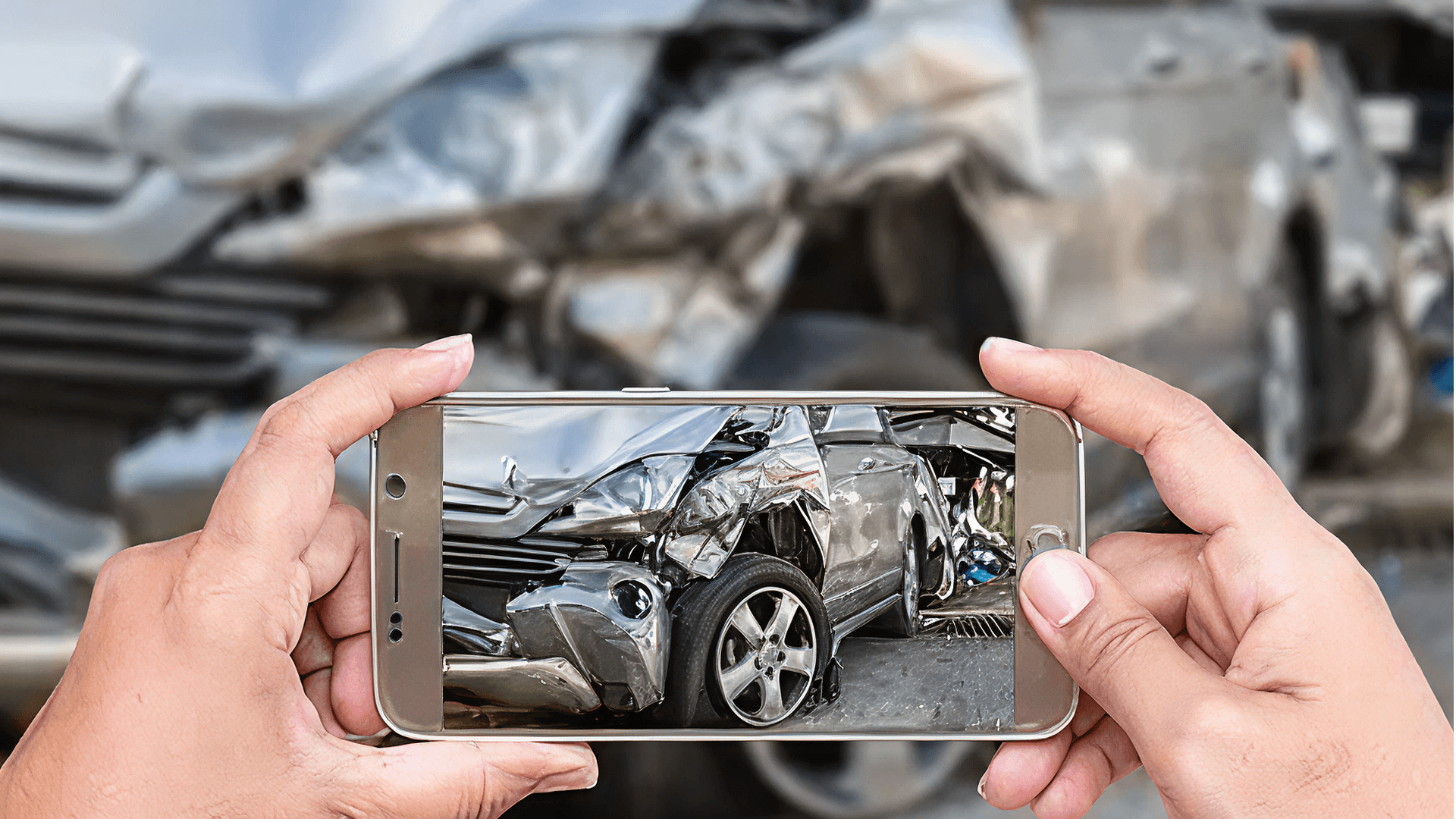
The Human Side of Chicago’s Most Dangerous Intersections
Chicago’s most dangerous intersections are not abstract statistics, they are lived realities for the people who call this city home. They represent lives cut short, families grieving, and communities frustrated by hazards that remain unaddressed.
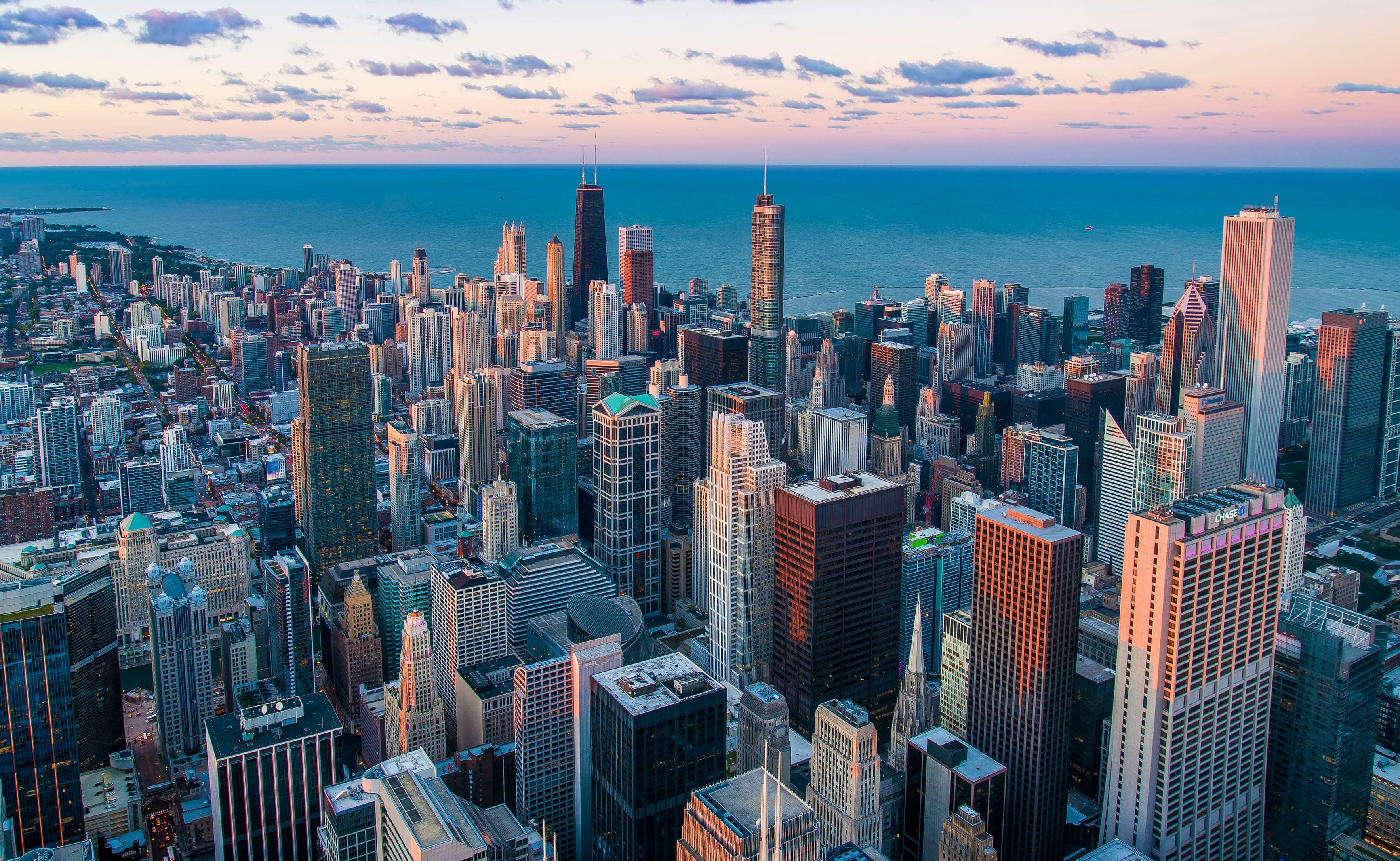
Chicago’s Intersection Safety Crisis
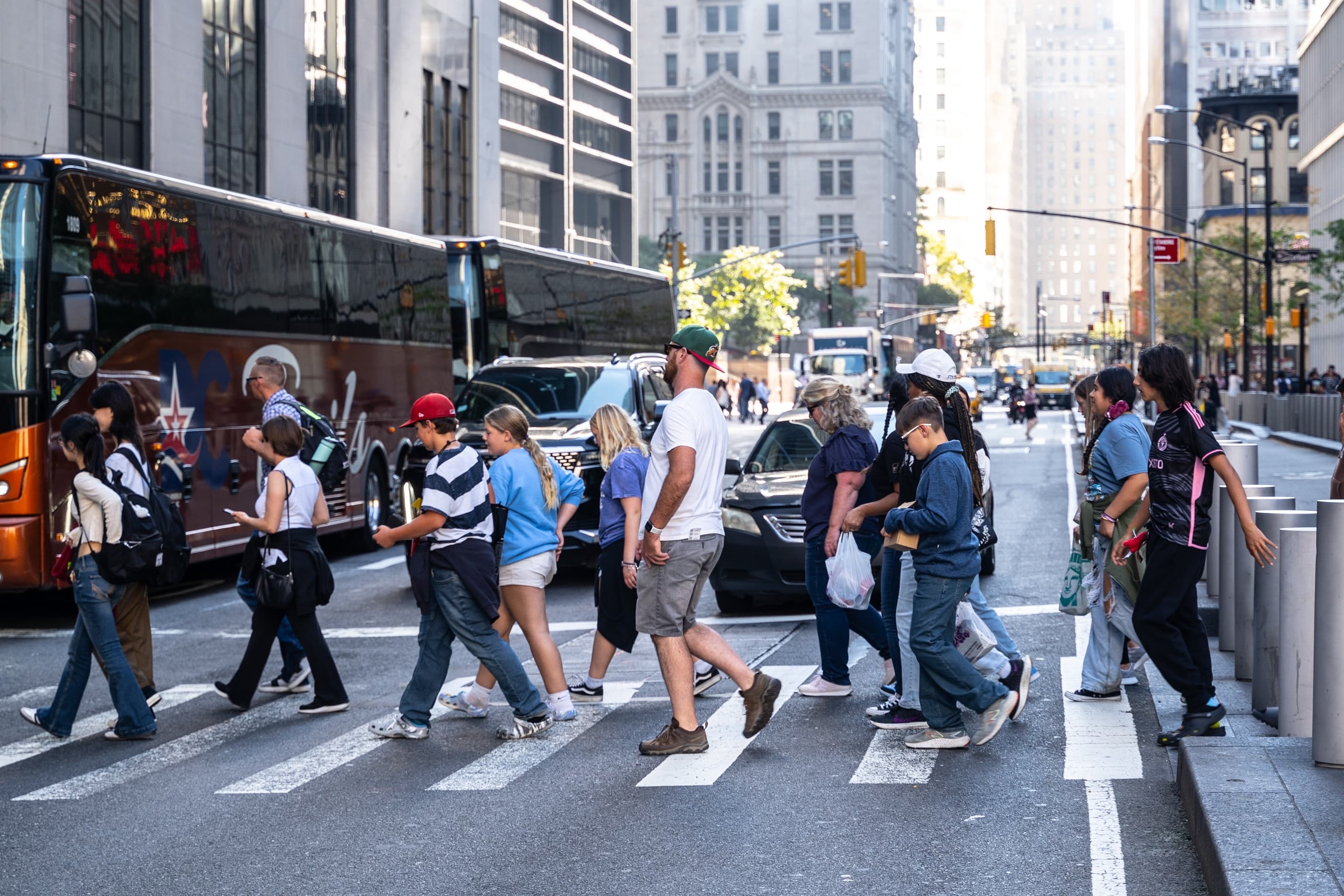
Intersections sit at the heart of Chicago’s traffic safety crisis. Although only a fraction of total roadways, they account for a disproportionate number of injuries and fatalities each year. Studies have shown that nearly half of all serious crashes in the city happen within 40 yards of an intersection. For pedestrians especially, simply crossing the street or waiting at a corner can be one of the most dangerous parts of daily life.
These high-risk crossings impact community safety and peace of mind in profound ways. Parents worry about children walking to school. Commuters alter their routes to avoid notorious intersections. Residents often know exactly which corners feel unsafe and will go out of their way to stay clear. Despite years of data identifying the problem areas, many of these intersections remain unchanged and hazardous.
Chicago has set ambitious goals, such as eliminating traffic deaths through its Vision Zero program, yet the annual number of fatalities remains nearly as high as when that initiative was first launched. This disconnect between intention and results underscores a need for stronger action.
Most Dangerous Intersections in Chicago
City crash data consistently points to the same locations as the most dangerous in Chicago. Among them is the intersection of East 79th Street and South Stony Island Avenue, which recorded nearly 200 crashes in a recent three-year period, including multiple fatalities and dozens of injuries. Just down the same corridor, East 95th Street and South Stony Island saw more than 160 crashes in the same timeframe.
Clusters of dangerous intersections also exist. Along West Garfield Boulevard, two crossings, at Wentworth Avenue and Wells Street, each logged well over 100 crashes. In the downtown core, North Michigan Avenue and East Wacker Drive stand out as a hotspot where heavy pedestrian volumes collide with bus, rideshare, and delivery traffic.
These statistics illustrate that risk is not spread evenly across the city. Certain corridors, designed decades ago for speed and throughput, have become chronic hazards for the people who live, work, and travel through them.
Why These Intersections Remain Dangerous
There are clear reasons why certain intersections continue to be so dangerous:
Outdated road design: Many of Chicago’s busiest intersections were engineered in an era when moving cars efficiently was the top priority. Wide multi-lane roads, long crossing distances, and complex geometries leave little margin for error and expose pedestrians for longer periods of time.
Signal timing issues: Poorly configured traffic signals also play a role. Intersections without dedicated turn signals often pit left-turning drivers against oncoming traffic and crossing pedestrians. Inadequate crossing time or lack of pedestrian priority signals adds to the danger.
Insufficient pedestrian infrastructure: Features like bumpouts, refuge islands, and well-marked crosswalks are absent from many high-crash intersections. Without them, pedestrians face long, exposed crossings with little protection.
Heavy traffic volume: Perhaps the most obvious factor is sheer volume. Busy intersections funnel thousands of cars, trucks, buses, cyclists, and walkers through the same space every day. Congestion leads to aggressive driving and risky behavior, making crashes almost inevitable.
The Human Cost
Behind every statistic is a person, a family, and a community forever changed. Roadside memorials across Chicago tell the stories of lives lost at intersections that neighbors already knew were dangerous. Families grieve loved ones who never made it home from a walk to church or a routine drive.
The economic burden is also immense. Traffic crashes cost Illinois billions each year in medical care, emergency response, lost productivity, and long-term rehabilitation. For victims and families, the burden is even more personal. Injuries from intersection accidents can mean months out of work, ongoing therapy, and emotional trauma that lingers long after the crash itself.
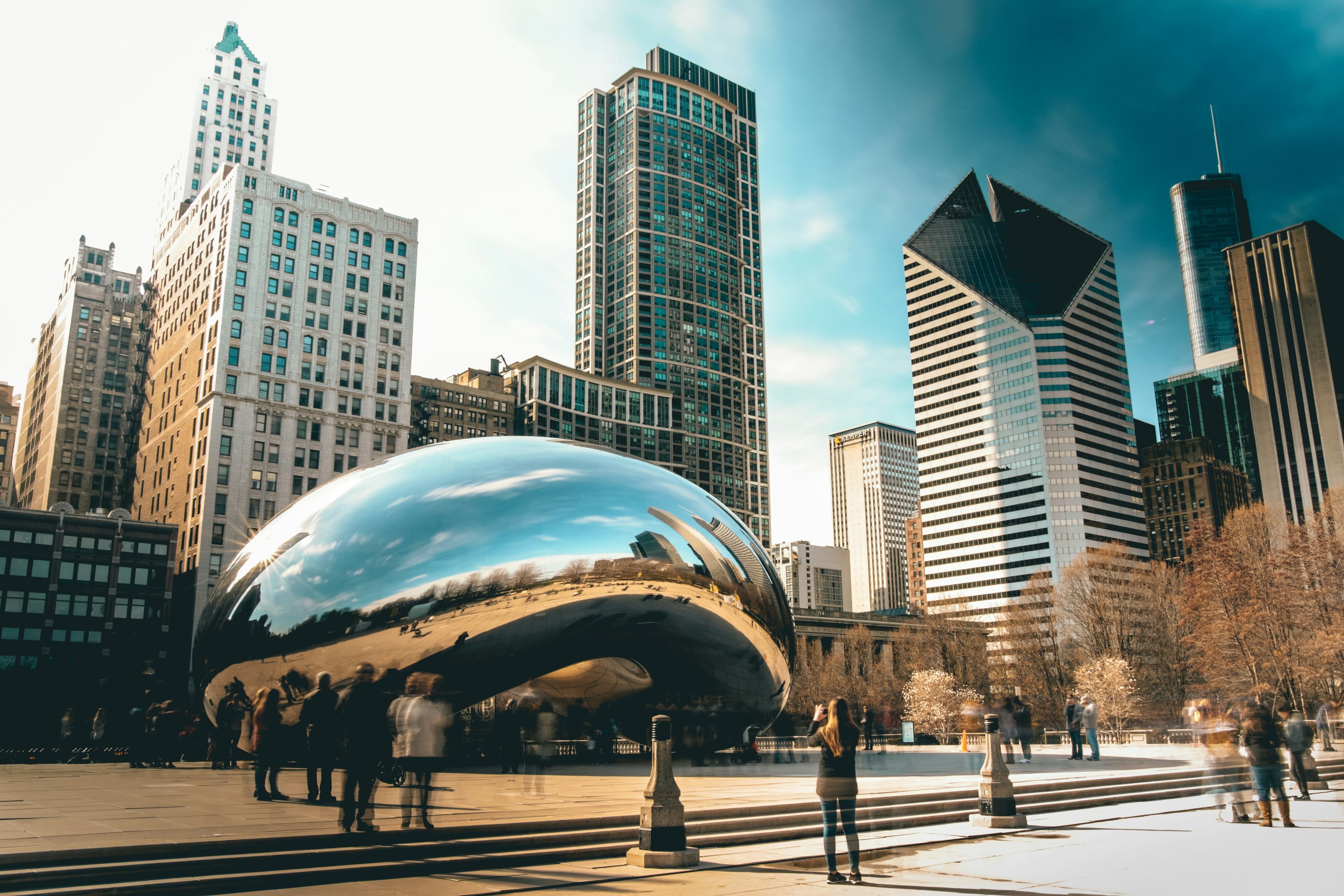
Urban Planning Perspective
Urban planners and safety advocates agree that Chicago’s problem is not a mystery. The most dangerous roads are often the widest, fastest, and least forgiving. While the city has made progress by upgrading intersections with curb extensions, better crosswalks, and pedestrian islands, the pace of change has not kept up with the scale of the problem.
Comparisons to other cities show what is possible. Communities that redesigned their roads with safety in mind, adding traffic calming measures, protected crossings, and improved enforcement, have achieved dramatic reductions in serious crashes. In Chicago, however, many intersections remain exactly as they were built decades ago, despite mounting evidence that design flaws are contributing directly to injuries and deaths.
Vision Zero and similar initiatives provide a framework, but to be effective, they must be matched with urgency and resources. Incremental changes to a handful of intersections each year will not move the needle when thousands remain hazardous.
Legal Implications for Accident Victims
For those injured in intersection crashes, the legal challenges can be complex. Liability often hinges on proving negligence, such as a driver running a red light, failing to yield, or speeding through a turn. At intersections with heavy congestion and multiple parties, fault may be disputed, and evidence such as surveillance footage or witness accounts becomes critical.
In some cases, roadway design or maintenance issues may also factor into liability, though claims against government entities are difficult and subject to strict legal standards. More often, the focus falls on the actions of individual drivers.
Accident victims face overwhelming burdens in the aftermath. Medical bills, lost wages, vehicle repairs, and emotional trauma add up quickly. Legal representation helps victims navigate this process, ensuring their rights are protected and that insurance companies do not minimize their claims. Skilled attorneys can investigate crashes, identify all responsible parties, and pursue full compensation for injuries, rehabilitation, and long-term impacts.
Final Thoughts
Chicago’s most dangerous intersections are not abstract statistics, they are lived realities for the people who call this city home. They represent lives cut short, families grieving, and communities frustrated by hazards that remain unaddressed.
Improving these intersections requires bold action in urban planning, sustained advocacy, and accountability for negligent drivers. At the same time, victims need a path to justice. Legal representation provides not only a means of financial recovery but also a voice for those whose lives have been altered by preventable crashes.
By acknowledging both the structural causes and the human costs, Chicago can move closer to a future where intersections are no longer places of fear, but safe connections within the fabric of the city.