Illinois Boating Laws and Boating Accident Attorney Guide
Illinois boating laws set strict requirements for safety certificates, towing passengers, and operating under the influence on the water. Here is what every boater in Illinois needs to know in 2026, and what your rights are if you are injured in a boating accident on an Illinois waterway.
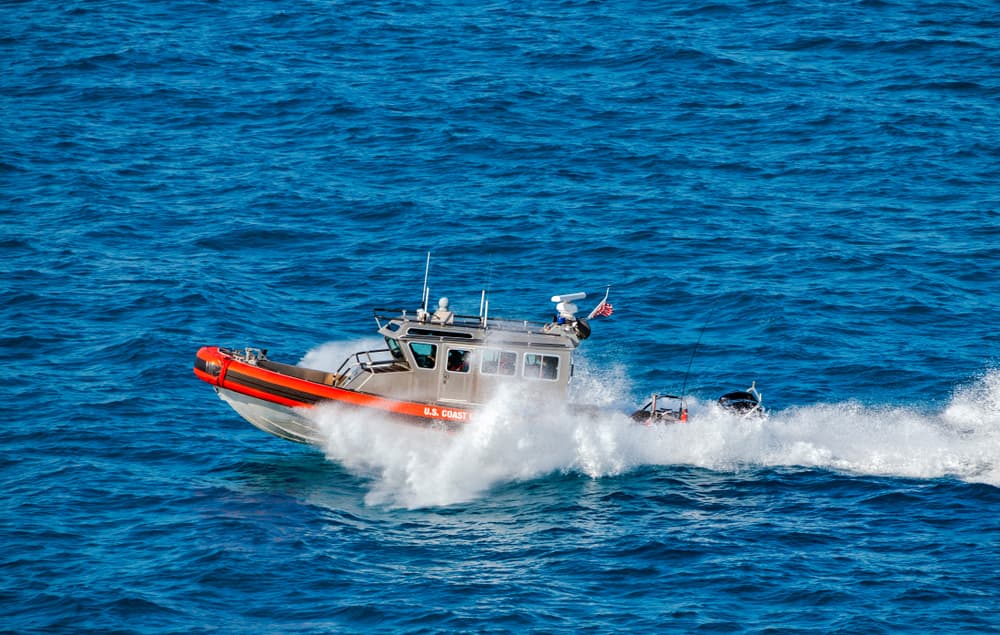
Every summer, Illinois waterways see thousands of recreational boaters on lakes, rivers, and Lake Michigan. Illinois also sees its share of serious boating accidents. The Illinois Department of Natural Resources reports boating fatalities and injuries on state waterways each year, and many of those accidents involve preventable causes, including impaired operation, inadequate supervision of children, and unsafe equipment.
Illinois law sets clear requirements for boaters, and understanding those rules matters both for safety and for legal accountability when accidents happen.
Illinois Boating Safety Certificate Requirements
Under the Illinois Boat Registration and Safety Act, any person born on or after January 1, 1998 is required to hold a valid Illinois Boating Safety Certificate to operate a motorboat with an engine generating more than 10 horsepower on public waterways. This requirement applies regardless of age for anyone in that birth year range.
To obtain the certificate, a boater must complete and pass an approved boating safety course. The Illinois DNR approves several course providers, and the US Coast Guard Auxiliary Flotilla 41-5 in Waukegan offers courses for boaters ranging from novice to experienced, covering topics including boating registration, safety equipment, navigation rules, and trailering.
Exemptions to the certificate requirement include persons operating a motorboat on private property, those using an electric motor only, and individuals who hold a valid out-of-state boating safety certificate that meets Illinois standards.
Operating a motorboat on Illinois public waters without the required certificate is a violation that can result in fines and other penalties.
Illinois Rules for Towing Water Skiers and Tubers
Illinois law requires that any boat towing a water skier, tuber, or other towed person display a red or orange flag on the watercraft. The flag must be displayed at the highest point of the area surrounding the boat's helm, so it is visible from all directions. This requirement applies any time a person is being towed or has recently fallen and is in the water near the vessel.
The purpose of the flag requirement is to alert other boaters to the presence of a person in the water, one of the most common causes of serious boating injuries on Illinois lakes and rivers.
Illinois Boating Under the Influence Laws
Operating a watercraft while under the influence of alcohol or drugs is illegal in Illinois under 625 ILCS 45/5-16, and the penalties are serious. Illinois treats boating under the influence similarly to driving under the influence of a motor vehicle.
A conviction for boating DUI in Illinois can result in suspension or revocation of boating privileges, fines, and, in serious cases, criminal charges. Under Illinois law, a person convicted of three boating alcohol offenses, or caught operating a watercraft with revoked boating privileges, can have their boat seized. The same penalty applies to individuals previously convicted of reckless homicide or accidental death or injury involving a watercraft.
The legal blood alcohol limit for boaters in Illinois is 0.08, the same as for motor vehicle operators.
What to Do If You Are Injured in an Illinois Boating Accident
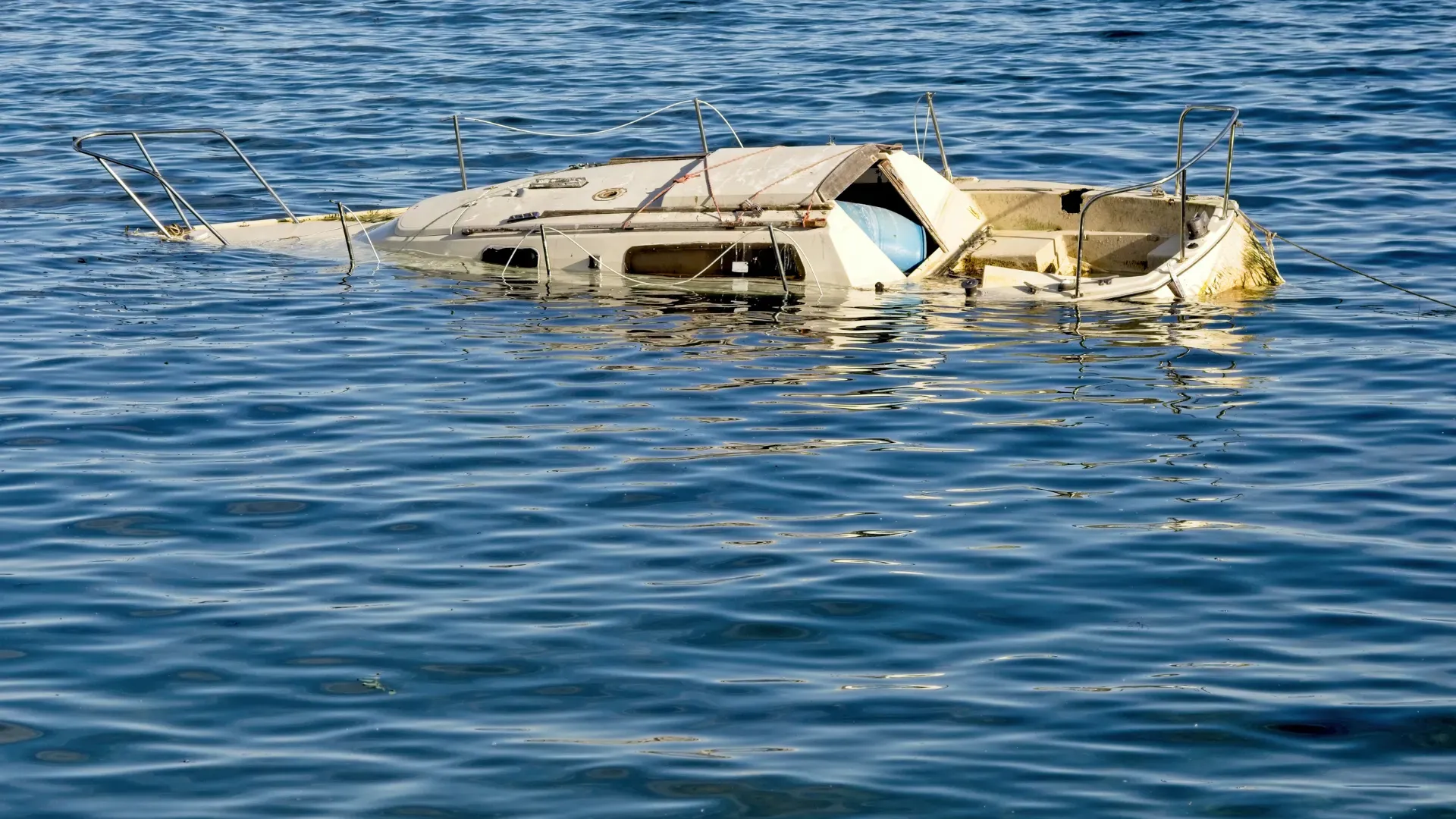
When a boating accident causes injury or death on an Illinois waterway, the same principles of negligence that apply to car accidents apply on the water. An injured person or surviving family member may have a claim against the boat operator who caused the accident, the owner of the vessel if different from the operator, or a third party such as a marina or equipment manufacturer if their negligence contributed to the crash.
Illinois requires that boating accidents resulting in death, disappearance, or injury requiring more than first aid be reported to the Illinois DNR within 48 hours. Accidents resulting in property damage exceeding $500 must be reported within 10 days.
Acting quickly after a boating accident protects your claim. Evidence including witness accounts, vessel damage, and water conditions can be difficult to preserve as time passes. An Illinois boating accident lawyer can handle the reporting requirements, gather evidence, and pursue compensation on your behalf.
Illinois Boating Safety Tips
Following Illinois law is a minimum. The US Coast Guard recommends these additional steps to reduce the risk of a serious boating accident:
Carry Coast Guard-approved life jackets for every person on board, properly fitted and readily accessible at all times.
Keep a marine radio, waterproof cellphone, or personal locator beacon on board for emergencies.
Install a carbon monoxide detector on your boat. Carbon monoxide is odorless and can build up quickly in enclosed cabin areas, causing rapid incapacitation without warning.
Always watch children closely. A child can begin to drown in as little as 20 seconds, and a drowning person is typically unable to call out or wave for help.
Know the navigation rules for the waterways you are using, and slow down near docks, piers, and swimming areas.

Injured in an Illinois Boating Accident?
Illinois law gives injured boaters and their families the right to pursue compensation from any negligent party. The attorneys at Salvi & Maher, LLP handle boating accident cases throughout Lake County, the Chain O'Lakes, and Lake Michigan shoreline communities in Northern Illinois.
Boating Accidents on Illinois Waterways Have Serious Legal Consequences
The attorneys at Salvi & Maher support victims of boating accidents on Lake Michigan, the Chain O'Lakes, and other Illinois waterways throughout Lake County, Cook County, and Northern Illinois. The firm handles cases involving impaired boating, negligent operation, and accidents caused by unsafe equipment or vessel defects.
If you or a family member was injured in a boating accident in Illinois, contact Salvi & Maher to discuss your legal options with an experienced attorney.