Illinois Dog Bite Statute: What Victims Need to Know
Illinois law holds dog owners strictly liable for bite injuries in most circumstances, without requiring the victim to prove the owner was negligent. Here is what the Illinois Animal Control Act requires, what changed in recent years, and what to do if you or a family member has been bitten.
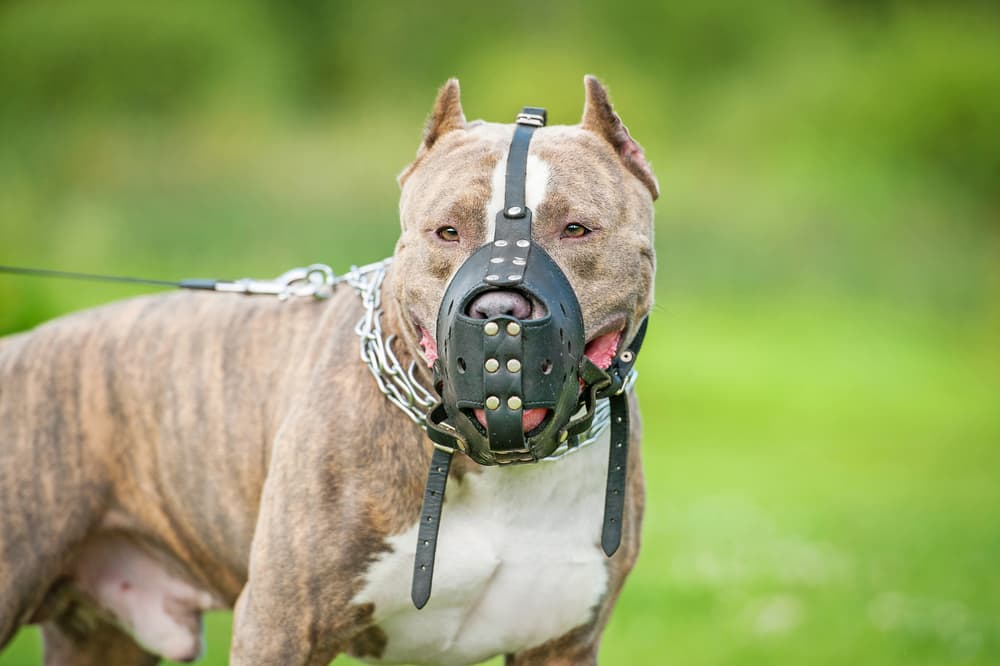
Dog bites can happen without warning, and the injuries they cause are often serious. Puncture wounds, nerve damage, torn tissue, infection, and lasting emotional trauma are all common outcomes of a dog attack. In Illinois, the law gives bite victims a clear path to compensation, and dog owners bear significant legal responsibility when their animals injure someone.
What the Illinois Dog Bite Statute Says
Illinois dog bite liability is governed by the Illinois Animal Control Act (510 ILCS 5/16). Under the statute, a dog owner is liable for damages if their dog bites or injures a person, provided two conditions are met: the injured person was in a public place or lawfully on private property at the time of the attack, and the injured person did not provoke the dog.
Critically, Illinois is a strict liability state for dog bites. This means the victim does not need to prove that the owner knew the dog was dangerous or had bitten someone before. The bite itself is enough to trigger liability for medical damages. To recover additional compensation, such as lost wages and pain and suffering, the victim must show that the owner was negligent, such as by failing to restrain the dog or ignoring known aggressive behavior.
There are two circumstances under the statute that can limit or eliminate an owner's liability: cases where the victim was trespassing on private property when the bite occurred, and cases where the victim provoked the dog into attacking.

What Illinois Law Requires of Dog Owners After a Bite
Following a dog bite, Illinois law imposes specific obligations on the dog's owner or caretaker. Failure to comply is a criminal offense. The first violation is a Class A misdemeanor, and subsequent violations are charged as Class 4 felonies. The required steps are:
The dog must be reported to local Animal Services and confined for a minimum of 10 days. The dog cannot be released until it has undergone veterinary examination.
The owner or caretaker must have the dog examined by a licensed veterinarian within 24 hours of the bite.
If the dog is not already microchipped, it must be microchipped by the end of its confinement period at the owner's expense.
If the dog has not received a rabies vaccination, it must receive one by the end of its confinement period at the owner's expense.
These requirements exist to protect the bite victim's health as much as to hold owners accountable. Rabies exposure is a serious medical concern, and knowing the dog's vaccination status affects the course of treatment the victim may need.
What to Do Immediately After a Dog Bite in Illinois
If you or a family member is bitten by a dog, take these steps as quickly as possible:
Apply a clean cloth or towel to the wound to control bleeding. Clean the wound thoroughly with soap and water, apply a sterile bandage, and keep the affected area elevated.
Seek medical attention promptly. A physician can assess the depth of the wound, prescribe antibiotics to prevent infection, and determine whether a rabies prophylaxis protocol is needed.
Before your medical appointment, ask the dog's owner for the animal's vaccination history. If the dog has not been vaccinated against rabies and cannot be located or confined, the victim may need to begin a rabies treatment series.
Document everything. Photograph your injuries, identify any witnesses, get the dog owner's contact information and insurance details if available, and report the incident to your local animal control agency.
Contact a dog bite attorney as soon as possible. Illinois has a two-year statute of limitations for personal injury claims under 735 ILCS 5/13-202, and early legal involvement helps preserve evidence and protects your claim.

What Compensation Is Available After an Illinois Dog Bite
Victims of dog bites in Illinois can pursue compensation for medical expenses including emergency treatment, surgery, and follow-up care; lost wages if the injury prevented them from working; pain and suffering; emotional distress; and any permanent scarring or disfigurement. In cases involving serious injuries or particularly reckless owner conduct, additional damages may be available.
Homeowner's and renter's insurance policies frequently cover dog bite liability claims, which means there is often an insurance policy available to compensate the victim without the owner needing to pay out of pocket. An experienced attorney can identify all available insurance coverage and pursue the full value of your claim.

Bitten by a Dog in Illinois? You May Have a Strict Liability Claim.
Illinois law does not require you to prove the dog owner was negligent to recover medical damages. The attorneys at Salvi & Maher handle dog bite injury cases throughout Lake County and Northern Illinois, and consultations are free.
Dog Bite Cases Throughout Lake County and Northern Illinois
The attorneys at Salvi & Maher handle dog bite cases throughout Lake County, Cook County, and Northern Illinois, including Waukegan, Libertyville, Gurnee, and the surrounding communities. Attorney Al Salvi and the legal team have represented bite victims in cases ranging from straightforward homeowner insurance claims to complex cases involving severe injuries and permanent scarring.
Dog bite cases move faster when an attorney is involved early. Insurance adjusters for the dog owner's policy will begin their own investigation quickly, and having legal representation from the outset ensures your interests are protected throughout that process.
If you or a family member was bitten by a dog in Illinois, contact Salvi & Maher to speak with an attorney about your rights and your options.