Injured in an Uber Accident in Illinois? What to Know
If you were injured in an Uber or Lyft accident in Illinois, you have the right to pursue compensation. But rideshare accident claims are more complicated than a typical two-car collision. The insurance that applies, who can be held liable, and wh...
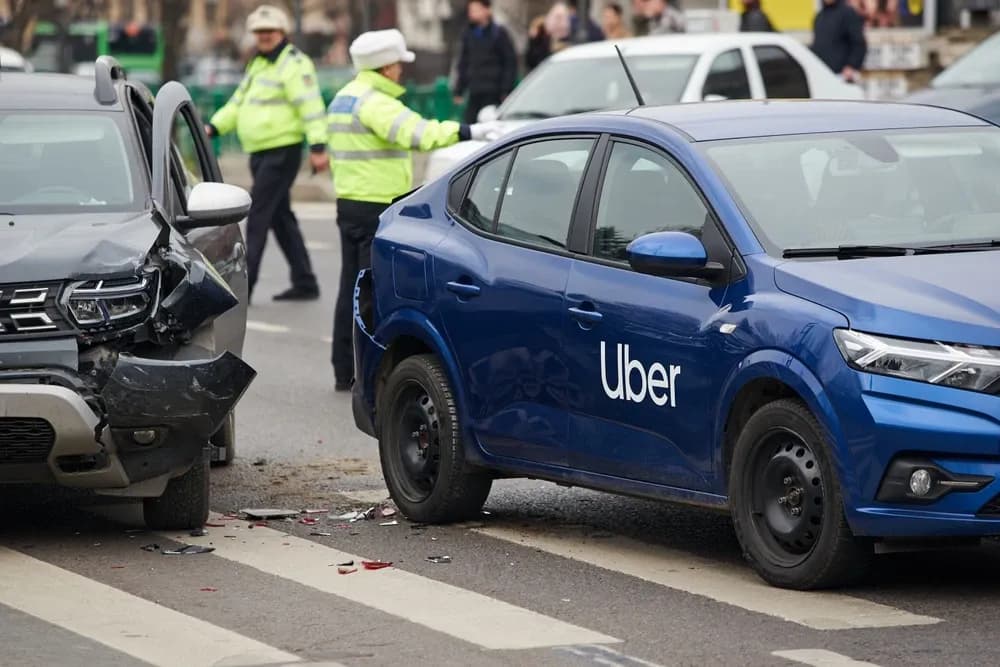
If you were injured in an Uber or Lyft accident in Illinois, you have the right to pursue compensation. But rideshare accident claims are more complicated than a typical two-car collision. The insurance that applies, who can be held liable, and what steps you need to take all depend on exactly when and how the accident happened.
Illinois law has also changed significantly. A 2023 amendment to the Transportation Network Providers Act removed a long-standing protection that had shielded rideshare companies from being held to the same standards as taxis and other transportation services. If you have been injured, that change matters for your case.
This guide covers everything you need to know, from how insurance coverage works to what the law now says about holding Uber and Lyft accountable.
Why Rideshare Accidents Are More Complicated
Uber and Lyft drivers are not employees. They are classified as independent contractors who use their own vehicles, set their own schedules, and are governed by app-based rules rather than traditional employment agreements. That classification has historically made it difficult to hold the companies themselves responsible when one of their drivers caused an accident.
For years, the Illinois Transportation Network Providers Act explicitly stated that rideshare companies were not common carriers and could not be held liable the way a taxi company could. Courts upheld that language even when injured passengers argued otherwise.
That changed in 2023. The Illinois legislature passed an amendment that struck the common carrier exemption from the TNPA. Uber and Lyft are now subject to the same standard of care as other transportation services under Illinois law. That means if you were injured as a passenger, a pedestrian, or another driver, you may have a direct claim against the company, not just the individual driver.
How Insurance Coverage Works: The Three Phases
One of the most important factors in any rideshare injury case is determining which insurance was active at the moment of your accident. Illinois law divides rideshare trips into three distinct phases, each with different coverage requirements.
Phase One: App On, No Ride Accepted
When a driver has the app open but has not yet accepted a trip, they are in Phase 1. During this period, the driver must carry a rideshare endorsement or policy that meets Illinois minimum liability requirements. Uber and Lyft provide some backup coverage here, but it is limited. This is the most legally murky phase for injured parties.
Phase Two: Driver En Route to Pick You Up
Once the driver accepts a trip and is on the way to your pickup location, Uber and Lyft's $1 million liability policy becomes the primary coverage. If you were injured by a rideshare driver during this phase, whether as a pedestrian, cyclist, or occupant of another vehicle, the company's full policy applies.
Phase Three: Passenger in the Vehicle
From the moment you get into the car until the trip ends in the app, you are in Phase 3. Uber and Lyft both provide $1 million per incident in coverage for bodily injury, death, and property damage. This is the most protective phase for passengers, and it is where most passenger injury claims arise.
If the driver's app was completely off at the time of your accident, neither Uber nor Lyft has any insurance obligation. The claim would be handled entirely under the driver's personal auto policy.
Who Can Be Held Liable
Depending on the facts of your accident, liability can fall on one or more parties.
- The rideshare driver, if their negligence caused or contributed to the crash
- Uber or Lyft directly, under the new common carrier standard, if the company failed in its duty to properly vet drivers, retained a driver with a known history of dangerous behavior, or if a systemic failure on the company's part contributed to the accident
- A third-party driver, if someone else caused the collision while you were a passenger
- A vehicle manufacturer, if a defect in the car played a role in the accident
Illinois follows a modified comparative negligence rule. If you share some fault for the accident, your compensation is reduced by your percentage of fault. You can still recover as long as you are found to be less than 51 percent responsible.
What to Do After an Illinois Rideshare Accident
What you do in the hours and days after an accident directly affects the strength of your claim. These steps apply whether you were a passenger, pedestrian, or another driver.
- Get medical attention immediately, even if you feel fine. Injuries like soft tissue damage, concussions, and internal trauma often do not show symptoms right away. Delaying treatment also gives insurance companies reason to argue that your injuries were not serious.
- Screenshot your app before doing anything else. Your trip receipt, driver name, vehicle information, route, and timestamps are critical evidence. Capture them before the app refreshes or archives the trip.
- Photograph everything at the scene. Damage to all vehicles, license plates, road conditions, traffic signals, your visible injuries, and any relevant surroundings.
- Get the driver's information. Name, license plate, insurance card, and driver's license number. Also note the vehicle's make, model, and color.
- Talk to witnesses. If anyone saw the accident, get their names and phone numbers before they leave.
- Do not give recorded statements to any insurance adjuster, including Uber's or Lyft's claims team, before speaking with an attorney. Adjusters are trained to minimize payouts, and what you say can be used against you.
- Contact a rideshare accident attorney as soon as possible. Illinois has a two-year statute of limitations for personal injury claims. Evidence disappears, app data becomes harder to retrieve, and witness memories fade.
The 2023 Illinois TNPA Amendment: What Changed and Why It Matters
Before 2023, Illinois courts were bound by statutory language that prevented them from treating Uber and Lyft as common carriers. A 2022 appellate court decision had upheld that protection, writing that holding rideshare companies to common carrier standards would strip the relevant statutory language of all meaning.
State legislators disagreed. Rep. Carol Ammons of Urbana and Sen. Robert Martwick of Chicago sponsored legislation to remove the exemption. The bill passed the Illinois House 73 to 36 and cleared the Senate. Governor Pritzker signed it into law.
The practical effect is significant. Common carrier status in Illinois means a higher duty of care. Uber and Lyft are now expected to take reasonable steps to ensure passenger safety, and failure to meet that standard can form the basis of a direct negligence claim against the company, not just the driver.
This does not guarantee every case against Uber or Lyft will succeed. But it removes the legal shield that had made those cases far harder to bring. If you were injured in a rideshare accident in Illinois, your attorney now has a stronger foundation to pursue the company itself.
Chicago-Specific Rules
If your accident happened within Chicago city limits, additional regulations may apply. Chicago maintains its own Transportation Network Provider ordinance that goes beyond state requirements. The city requires rideshare companies to maintain accessible vehicle options, conduct background checks on drivers at specific intervals, and report certain incidents directly to the city.
Depending on the circumstances, violations of Chicago's local ordinance could also be relevant to your claim. An attorney familiar with both state and local rideshare law is important if your accident occurred in the city.

Hurt in a Rideshare Accident?
You may have more legal options than you think. Under current Illinois law, Uber and Lyft can be held directly liable for your injuries. Our attorneys serve Lake County, Cook County, and all of Northern Illinois. No fees unless we win.
Frequently Asked Questions
Can I sue Uber or Lyft directly if I am injured as a passenger?
Yes. Since the 2023 amendment to the Illinois Transportation Network Providers Act, rideshare companies can be held liable as common carriers. You may have a direct claim against Uber or Lyft if their conduct, beyond the individual driver's negligence, contributed to your injury. An attorney can evaluate whether the company's own failures are part of your case.
What if the Uber driver was at fault, but I am worried about their coverage limits?
If the accident happened during Phase 2 or Phase 3 of your trip, Uber or Lyft's $1 million policy applies as primary coverage. You do not have to rely on the driver's personal policy limits during these phases. The company's coverage is substantial and applies directly to your claim.
How long do I have to file a claim in Illinois?
Illinois law gives you two years from the date of your accident to file a personal injury lawsuit. That window can feel long, but acting quickly matters. App data and trip records are not stored indefinitely. Witnesses become harder to locate. Medical records need to be preserved. The sooner you speak with an attorney, the better your position.
Does it matter whether I was a passenger, a pedestrian, or in another vehicle?
Yes, it affects which coverage applies and how your claim is structured, but it does not prevent you from pursuing a claim. Passengers in Phases 2 and 3 are covered under the $1 million TNC policy. Pedestrians and occupants of other vehicles hit by a rideshare driver in those same phases are covered under the same policy. If the driver's app was off, the claim goes through their personal insurance only.