How Long Do You Have to Report a Car Accident in Illinois?
After a car accident in Illinois, you may have as little as 10 days to file a required report with the state. Missing that deadline can cost you your license and hurt your injury claim. Here is what Illinois law requires and when you need to act.
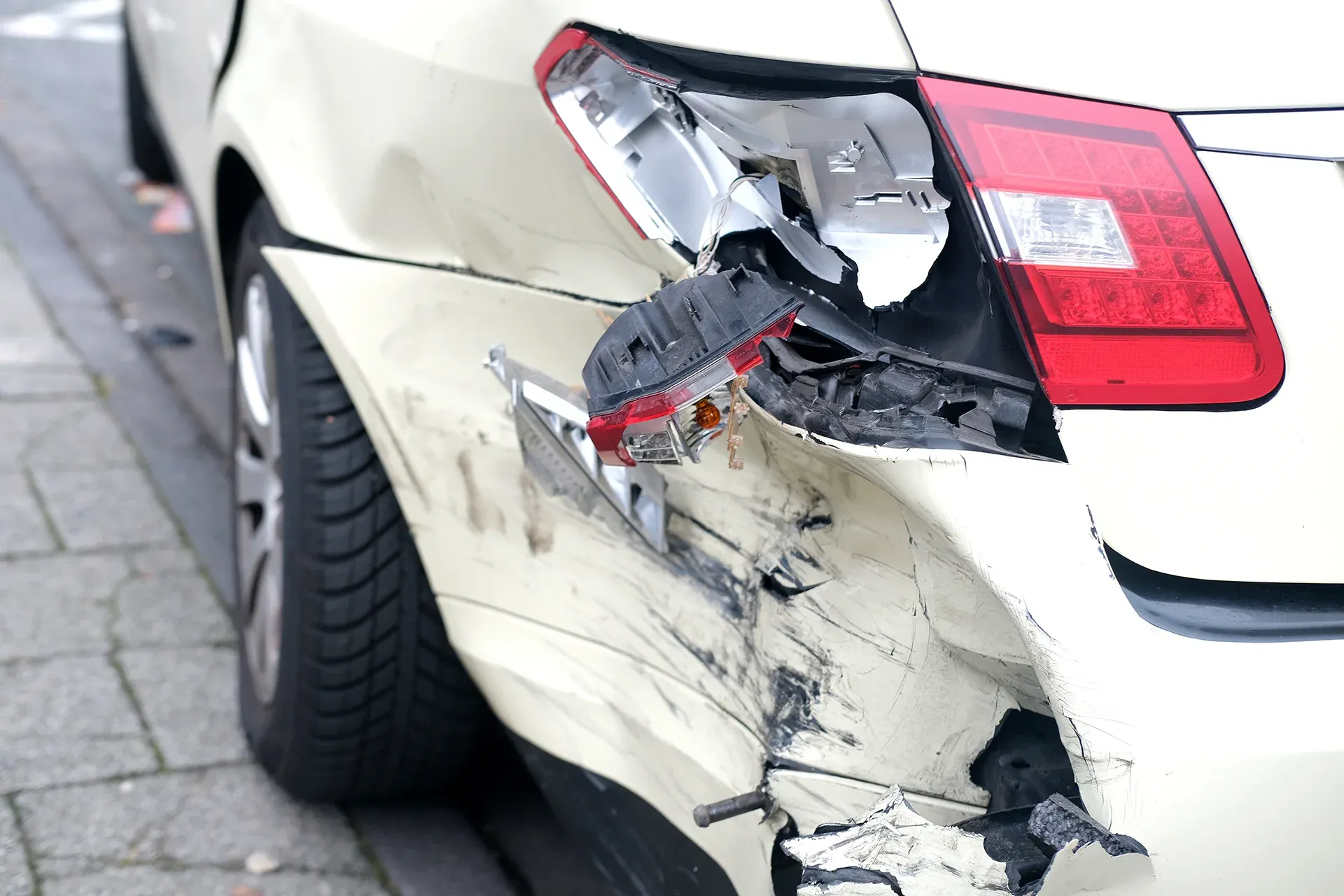
A car accident can leave you shaken, injured, and unsure of what to do next. Among the most time-sensitive obligations you have in the aftermath is reporting the crash to the appropriate authorities. In Illinois, failing to file the right reports within the required timeframes can result in consequences that go well beyond the accident itself, including a suspended driver's license and a weakened personal injury claim.
When Is Reporting a Car Accident Required by Illinois Law?
Not every accident in Illinois requires a formal report, but most serious ones do. Under Illinois law, you are required to report a car accident to the Illinois Department of Transportation (IDOT) within 10 days when any of the following apply:
The accident resulted in injury or death to any person involved.
Property damage from the accident exceeds $1,500.
In either of these situations, every driver involved in the crash is required to stop at the scene, remain until law enforcement arrives, and exchange information with the other parties. Leaving the scene of a qualifying accident without stopping is a criminal offense in Illinois and can result in felony charges when injury or death is involved under 625 ILCS 5/11-401.
If you were injured in the accident and hospitalized as a result, Illinois law gives you up to 30 minutes after your medical discharge to report the incident to your local police station or sheriff's office.

How to Report a Car Accident to the Illinois DOT
The 10-day report must be filed with IDOT and can be submitted online through the state's SR-1 crash report portal. You may also authorize an attorney to file the report on your behalf, which is often the better approach when injuries are involved and accurate documentation matters for a later personal injury claim.
The report requires the following information:
The date, time, and location of the accident.
Full name, address, and date of birth for all drivers and motorists involved.
Personal information for all other parties involved, including passengers and pedestrians.
Driver's license information for all drivers.
License plate numbers and states of registration for all vehicles involved.
A factual account of how the accident occurred.
Providing false information on an Illinois accident report is a Class C misdemeanor, which carries the possibility of jail time and a fine. Filing accurately and completely is important both legally and for any insurance or personal injury claim that follows.
Failing to file the report at all when required can result in suspension of your driver's license by the Illinois Secretary of State.
How Long Do You Have to Report a Car Accident to Your Insurance?
Separately from the state reporting requirement, your own insurance policy almost certainly requires you to report any accident promptly. Most policies use language requiring notification within a reasonable time, and some specify a window of 24 to 72 hours. Waiting too long to notify your insurer can give them grounds to deny coverage or limit the benefits available under your policy.
This is true even if you were not at fault. Reporting the accident to your own insurer protects your rights under your uninsured or underinsured motorist coverage, your medical payments coverage, and any other benefits your policy provides.

Why the Accident Report Matters for Your Personal Injury Claim
The police report and the IDOT crash report both serve as foundational evidence in a personal injury case. They document the parties involved, the conditions at the time of the crash, any citations issued, and the initial account of what happened. Insurance adjusters and defense attorneys will request these records early, and gaps or inaccuracies in the reports can be used to challenge your claim.
Having an attorney involved early in the process helps ensure the reports are filed correctly, that any errors in the police report are identified and addressed, and that other evidence such as surveillance footage, witness statements, and vehicle damage photographs are preserved before they are lost.
Illinois Statute of Limitations for Car Accident Claims
Beyond the reporting deadlines, Illinois law sets a two-year statute of limitations for personal injury claims under 735 ILCS 5/13-202. This means you generally have two years from the date of the accident to file a lawsuit against the at-fault driver. For wrongful death claims, the same two-year period applies from the date of death under the Illinois Wrongful Death Act.
Missing the statute of limitations deadline is different from missing the 10-day reporting deadline, but both can permanently bar you from recovering compensation. Consulting an attorney as soon as possible after an accident preserves all of your options.

Don't Miss Illinois Car Accident Reporting Deadlines
Illinois requires most drivers to file an accident report within 10 days. Missing it can suspend your license and hurt your injury claim. The attorneys at Salvi & Maher can file the report on your behalf and protect your rights from day one.
Salvi & Maher Helps Illinois Accident Victims File Correctly and on Time
The attorneys at Salvi & Maher represent car accident victims throughout Lake County, Cook County, and Northern Illinois. Attorney Al Salvi and the legal team can handle the accident report filing on your behalf, manage communications with insurance companies, and build the evidence needed to support your personal injury claim from day one.
If you were injured in a car accident in Illinois and want to make sure every deadline is met and every report is filed correctly, contact Salvi & Maher to speak with an attorney today.