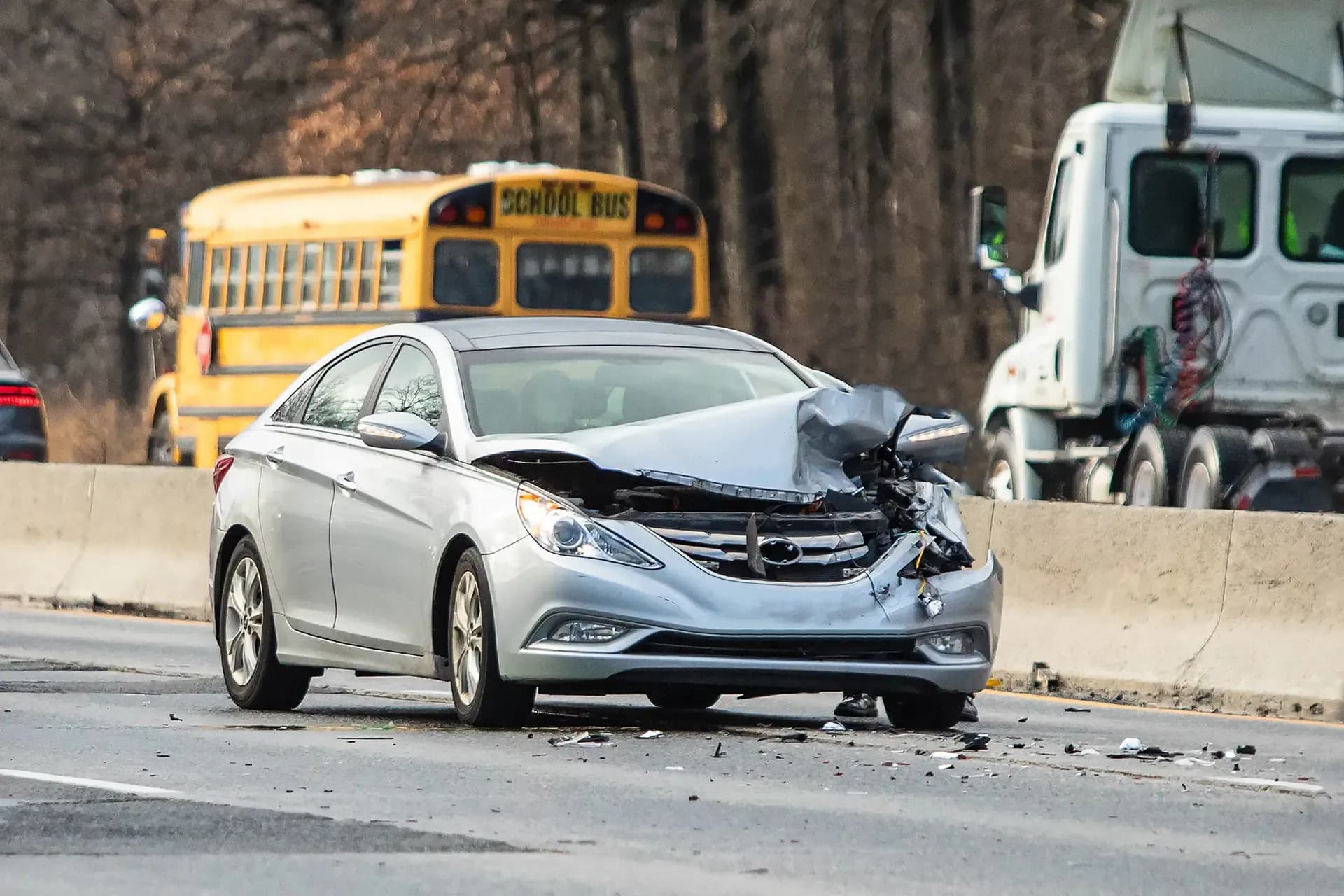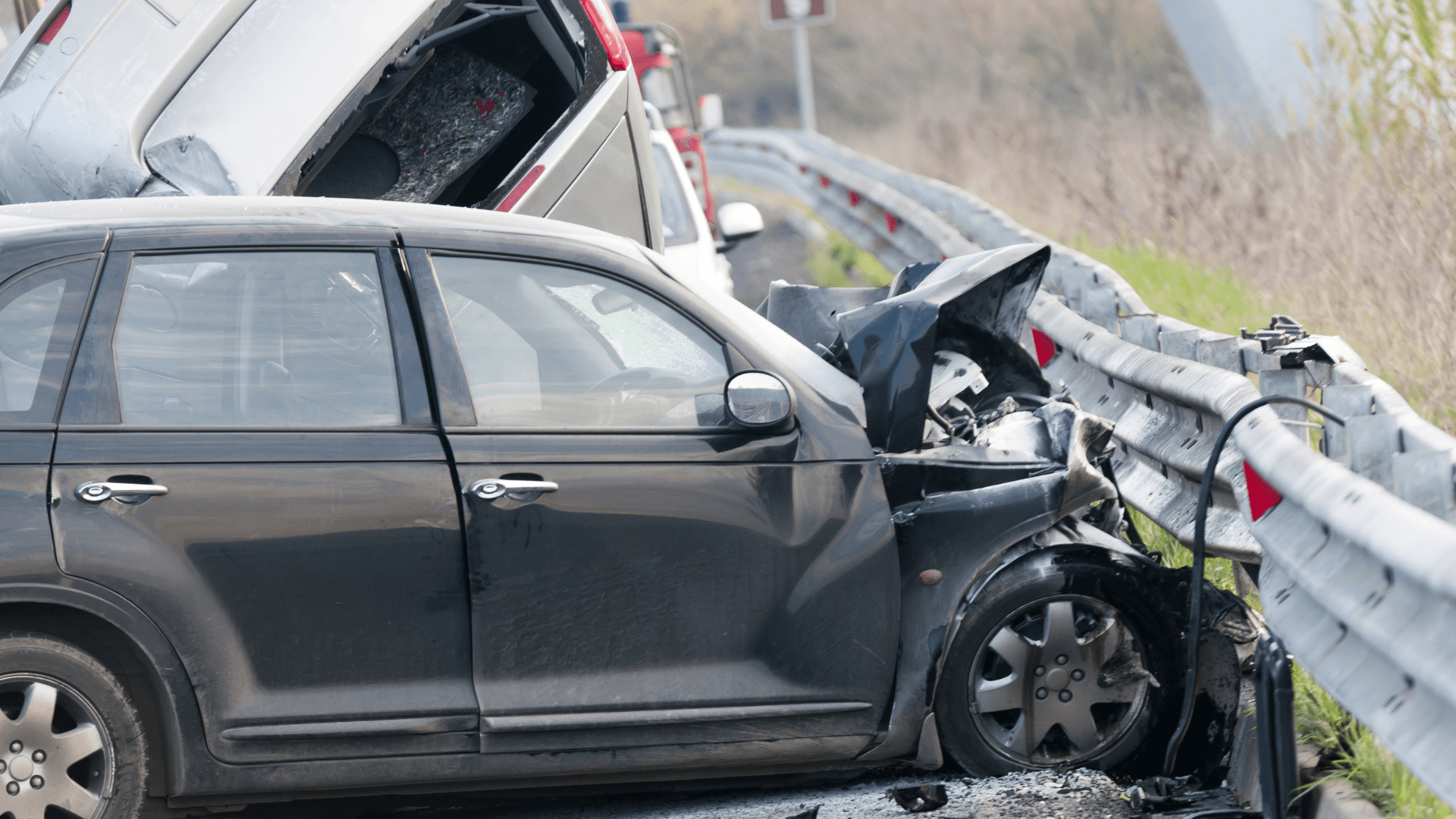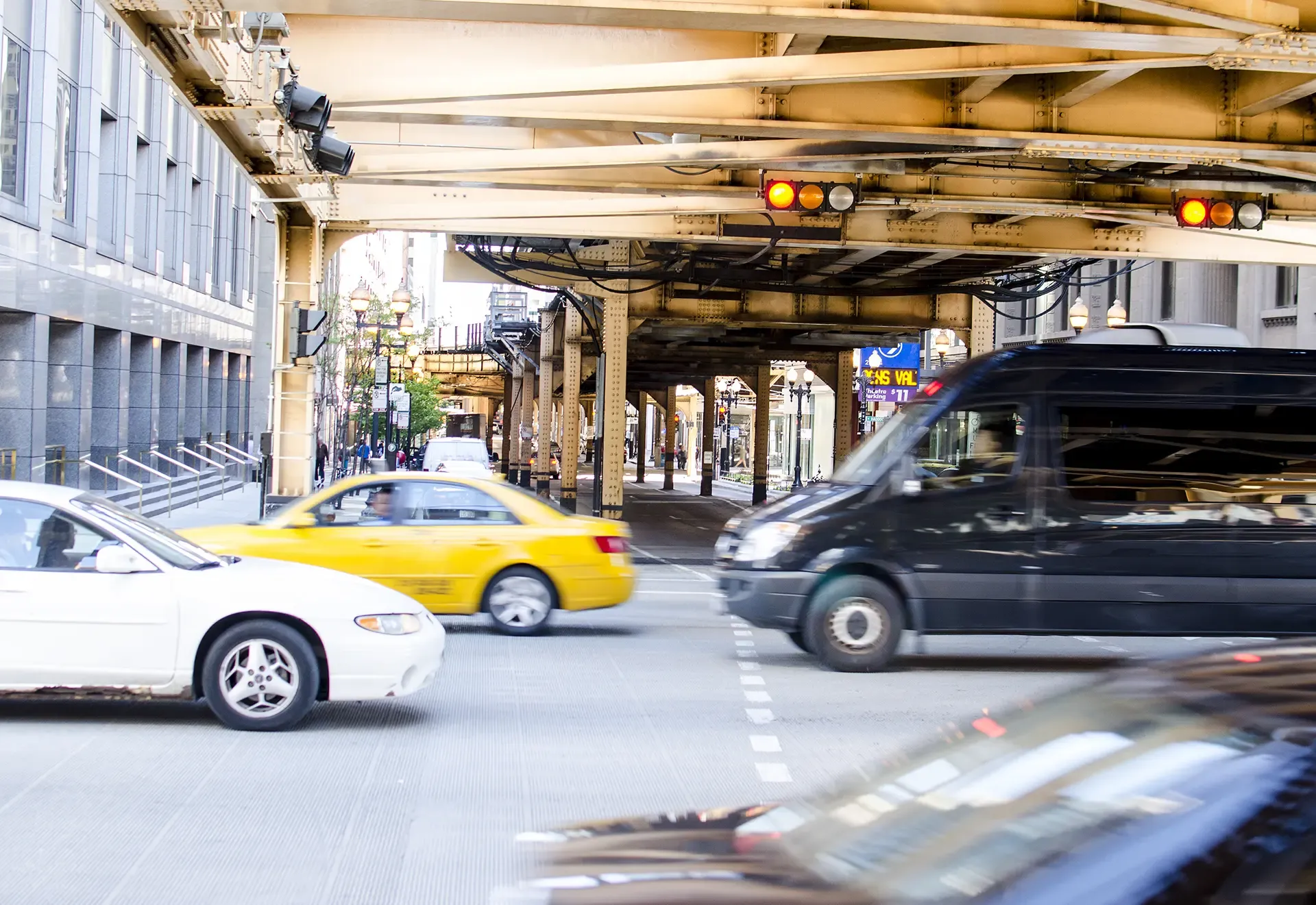
According to research from the Federal Highway Safety Administration (FHSA), more than two-thirds of drivers fail to properly stop and yield the right of way at stop-sign intersections. That study analyzed data from over 40,000 drivers, and the results are a sobering reminder that even when you have the right of way, other drivers around you may not be following the rules.
For Illinois drivers, understanding right-of-way law is not just about avoiding a traffic citation. It can mean the difference between a safe trip home and a serious car accident. This guide explains who has the right of way at a four-way stop in Illinois, covers the most common intersection scenarios under Illinois law, and has been updated to reflect the current Illinois Vehicle Code (625 ILCS 5/) as of 2026.
What Does "Right of Way" Mean in Illinois?
The right of way is the legal right of one driver, cyclist, or pedestrian to proceed first through a shared space. Under the Illinois Vehicle Code (625 ILCS 5/), the right of way is not absolute. Even when you technically have it, Illinois law still requires you to drive with due care and yield when necessary to prevent a collision.
This is an important point. Having the right of way does not mean you can proceed recklessly. Illinois courts have consistently held that drivers share responsibility for safe navigation at intersections.
Who Has the Right of Way at a Four-Way Stop in Illinois?
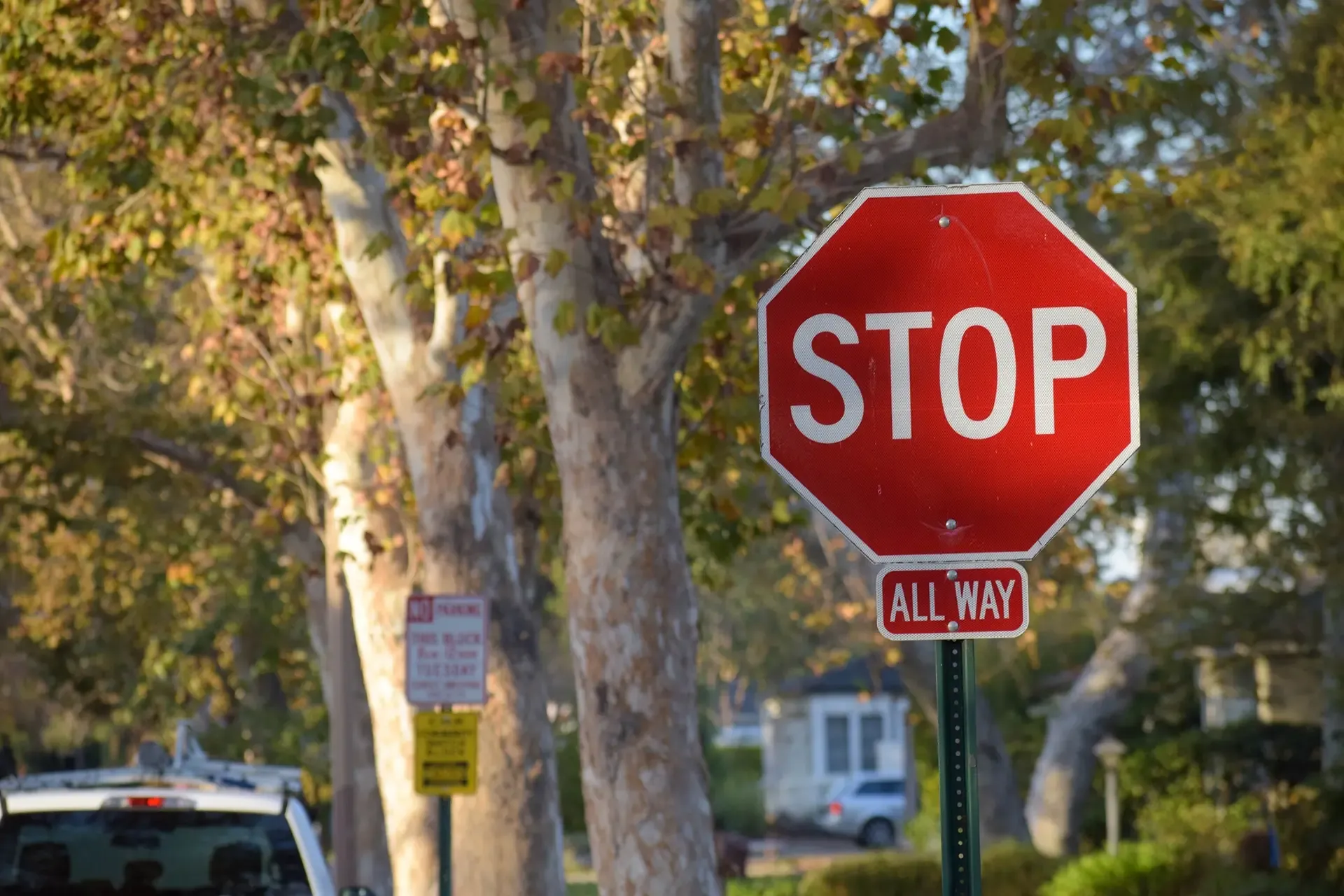
This is the most-searched right-of-way question in Illinois, and for good reason. Four-way stops involve split-second judgment calls that confuse even experienced drivers.
Under Illinois law (625 ILCS 5/11-901), the rules are:
Rule 1: First to stop, first to go.
The driver who came to a complete stop at the intersection first has the right of way and should proceed first.
Rule 2: Simultaneous arrival: the driver on the right goes first.
If two or more vehicles arrive at the four-way stop at the same time, the driver to the right has the right of way. The driver on the left must yield.
Rule 3: Turning left must yield to oncoming straight traffic.
A driver turning left at any intersection must yield to vehicles approaching from the opposite direction and proceeding straight or turning right.
Rule 4: Even with the right of way, proceed cautiously.
You must confirm the intersection is clear before entering. Assuming another driver will yield is not a legal defense if a collision occurs.
Right-of-Way Rules for Other Common Illinois Intersections
Two-Road Intersections With No Signal or Stop Signs (Uncontrolled Intersections)
When two roads meet, and there are no traffic signals or stop signs, the driver on the smaller road must yield to drivers on the larger or multi-lane road. If roads are of similar size, the driver on the left must yield to the driver on the right (625 ILCS 5/11-901(b)).
T-Intersections
A T-intersection is where one road ends, and a driver must turn either left or right. If there are no traffic lights at the intersection, the driver reaching the end of the road must yield right of way to all traffic on the through road they are entering.
Pulling Out of a Parking Space or Driveway
Whether you are pulling out of a parallel parking spot, a driveway, or a private road, you must always yield the right of way to all vehicles already traveling on the roadway (625 ILCS 5/11-906).
Roundabouts
When approaching a roundabout (circular intersection), vehicles already circulating inside the roundabout have the right of way. If two or more vehicles approach the roundabout entry at the same time, the driver on the right has the right of way to enter first.
Left Turns at Any Intersection
Drivers making a left turn must yield to all oncoming vehicles traveling straight through the intersection, regardless of whether the intersection has a stop sign, traffic light, or no control at all. This is one of the most commonly violated right-of-way rules in Illinois.
Illinois Right-of-Way Rules: Mandatory Yield Situations (Updated 2026)
No matter who technically has the right of way in a given situation, Illinois law requires all drivers to yield in the following circumstances:
Emergency Vehicles
When an emergency vehicle (police, fire, ambulance) is using both audible signals (siren) and visible signals (lights), you must immediately yield the right of way, pull to the right edge of the road, and stop until the emergency vehicle has passed (625 ILCS 5/11-907).
Scott's Law Stopped Emergency and Maintenance Vehicles
Under Scott's Law (625 ILCS 5/11-907(c)), when you approach a stopped emergency vehicle or highway maintenance vehicle with its lights activated, you must move over one lane away from the vehicle when safe to do so. If a lane change is not possible, you must slow to a reasonable speed and pass with caution. Violations of Scott's Law can result in fines up to $10,000 and, if injury or death occurs, a Class 4 felony charge.
Pedestrians in Crosswalks
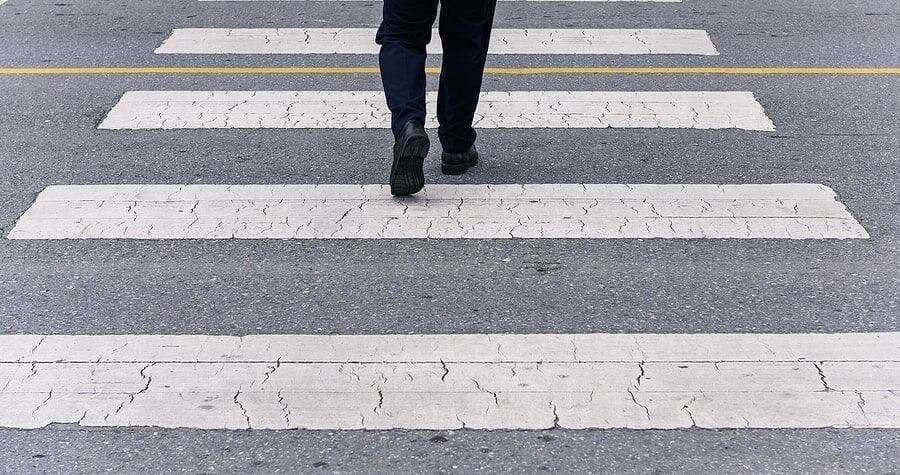
Illinois law (625 ILCS 5/11-1002) requires drivers to stop and yield the right of way to any pedestrian crossing within a crosswalk when that pedestrian is on the driver's half of the roadway or approaching closely enough to be in danger. This applies at marked crosswalks and at unmarked crosswalks at intersections. Whenever any vehicle is stopped at a crosswalk to permit a pedestrian to cross, drivers approaching from behind must not pass that stopped vehicle.
Pedestrians with a Flashing Yellow Arrow
Illinois law specifically requires drivers to yield when a pedestrian is entering an intersection during a flashing yellow arrow signal phase.
Bicyclists
When making a right turn at an intersection and a bicyclist is approaching on your right, you must allow the bicyclist to proceed through the intersection before completing your turn (Illinois Secretary of State Bicycle and Pedestrian Safety Guidelines). This applies even if you have a green signal.
Funeral Processions
All drivers must yield the right of way to vehicles in a properly escorted funeral procession.
School Buses
Drivers must stop and yield to school buses that are stopped and displaying flashing red signals, regardless of which direction you are traveling (625 ILCS 5/11-1414).
Highway Construction Workers
Illinois law requires drivers to yield right of way to workers in highway construction or maintenance areas, as well as to persons with disabilities, including those with physical, hearing, and visual disabilities.
What Happens If a Driver Fails to Yield Right of Way in Illinois?
Failing to yield the right of way is a petty offense under the Illinois Vehicle Code and can result in a fine. More significantly, if a driver's failure to yield causes an accident, that driver can be held liable for the resulting injuries, property damage, and other losses.
Illinois follows a modified comparative negligence rule. This means that even if you were partially at fault in an accident (for example, if you had the right of way but entered an intersection without checking for cross-traffic), your compensation can be reduced by your percentage of fault. If you are found more than 50% at fault, you cannot recover damages under Illinois law.

Injured in a Right-of-Way Accident in Illinois?
If a driver failed to yield at a four-way stop or any intersection and you were hurt, you may have a legal claim. The attorneys at Salvi & Maher, LLP have helped accident victims throughout Illinois, including Lake County and the greater Chicago area. Contact us today for a free consultation.
Injured in an Illinois Right-of-Way Accident?
If you have been injured in a car accident caused by a driver who failed to obey right-of-way rules in Illinois, you may have legal options. The attorneys at Salvi & Maher, LLP have represented accident victims throughout Illinois, including in Lake County and the greater Chicago area. Contact our office to speak with an experienced Illinois car accident attorney about your case.
Sources:
- Illinois Vehicle Code, 625 ILCS 5/11-901 (Right of Way Intersections)
- Illinois Vehicle Code, 625 ILCS 5/11-902 (Vehicle approaching or entering intersection)
- Illinois Vehicle Code, 625 ILCS 5/11-906 (Vehicle entering highway from private road or driveway)
- Illinois Vehicle Code, 625 ILCS 5/11-907 (Operation of vehicles on approach of authorized emergency vehicles; Scott's Law)
- Illinois Vehicle Code, 625 ILCS 5/11-1002 (Pedestrians' right-of-way at crosswalks)
- Illinois Vehicle Code, 625 ILCS 5/11-1414 (Meeting or overtaking school bus)
- Illinois Secretary of State Bicycle and Pedestrian Safety
- Federal Highway Safety Administration intersection research (FHSA, 40,000-driver study)