Taxi and Rideshare Accidents in Chicago: What Injured Passengers Need to Know
Chicago's streets see thousands of taxi and rideshare trips every day. When a driver's negligence causes a crash, injured passengers are often left dealing with competing insurance claims, corporate adjusters, and legal rules that are different from a standard car accident. Here is what Illinois law says about your rights and how to protect them.

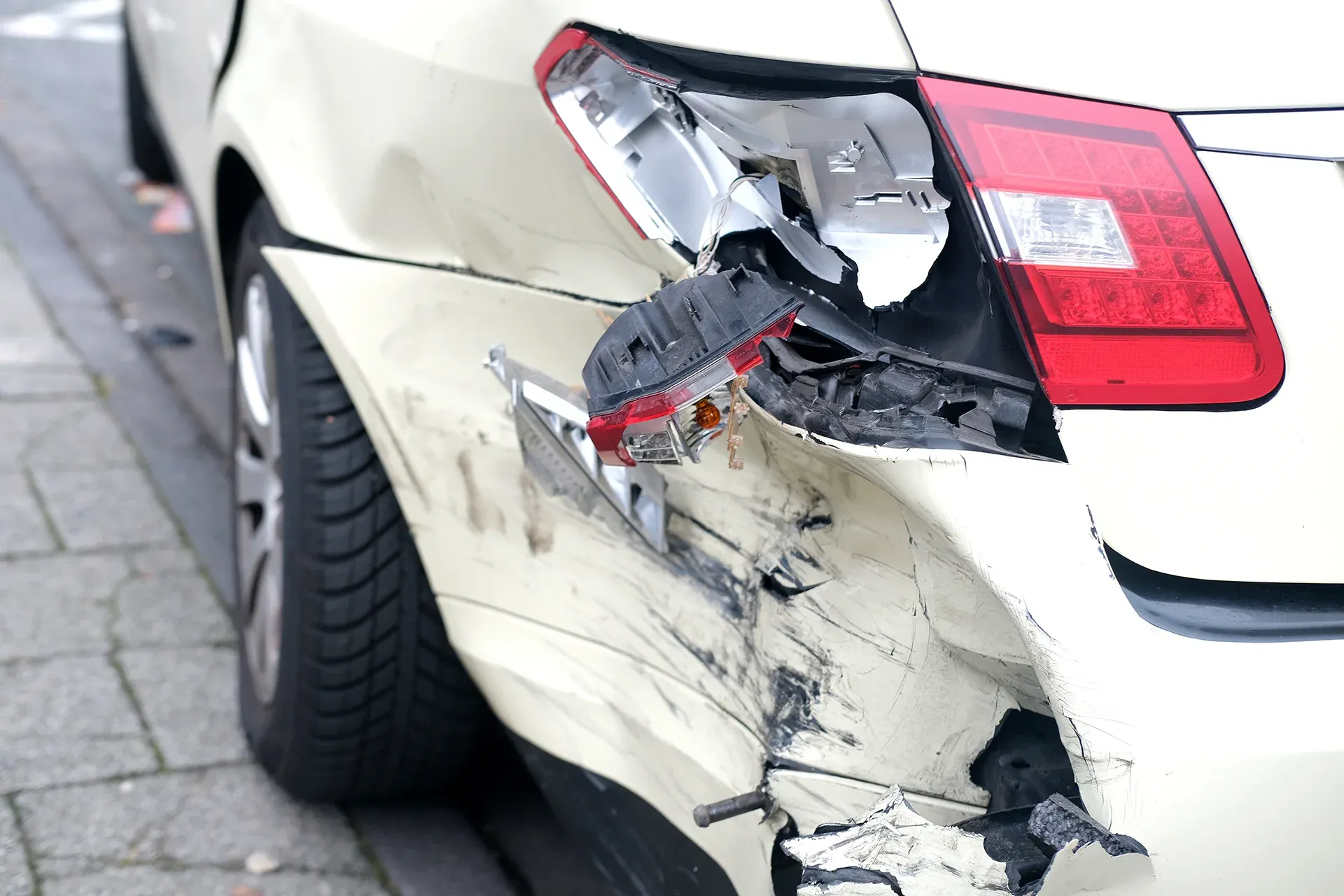
Chicago streets are among the busiest in the country. Between rush-hour commuters, event traffic, and the steady flow of taxis and rideshare vehicles weaving through the Loop and surrounding neighborhoods, accidents are a routine consequence of the city's density. If you were injured as a passenger in a cab, an Uber, or a Lyft, understanding how liability works in Illinois is the first step toward protecting your rights.
Why These Accidents Happen
Taxi and rideshare drivers spend more time on the road than almost any other motorist. That exposure, combined with the pressure to maximize trips and the distraction of navigating apps, contributes to a higher-than-average involvement in crashes. In 2014, the Illinois Department of Transportation recorded 4,129 crashes involving taxis, 830 of which caused passenger injuries and three of which were fatal. A 2011 Chicago Department of Transportation report found that taxis were involved in 28 percent of pedestrian crashes in the Central Business District and one in every 12 bicycle accidents citywide.
Today, Uber and Lyft have displaced traditional taxis as the dominant for-hire vehicles on Chicago streets, but the accident patterns remain similar. Distracted driving, aggressive lane changes, and abrupt stops in high-traffic corridors continue to put passengers at risk.
How Liability Works in Illinois
When a taxi or rideshare driver causes a crash through negligence, injured passengers generally have the right to seek compensation from the driver and, depending on the circumstances, the company that employed or contracted them. Illinois law treats these claims differently depending on who is at fault and what status the driver held at the time of the crash.
For rideshare drivers, Illinois requires specific insurance coverage that varies depending on whether the driver was waiting for a ride request, had accepted a trip, or was actively transporting a passenger. When a passenger is in the vehicle, platforms like Uber and Lyft are required to carry at least $1 million in liability coverage under Illinois law. That coverage can be critical when injuries are serious.
Taxi companies operate under their own licensing and insurance requirements through the City of Chicago. Determining whether the driver, the company, or both can be held responsible depends on the specific facts of the crash, including vehicle ownership, dispatch records, and employment or contractor status.

What to Do After a Taxi or Rideshare Crash
If you were injured as a passenger or in a collision with a for-hire vehicle, a few steps can protect your ability to recover compensation:
Get a copy of the police report. Unlike standard crash reports, taxi and rideshare involvement may only appear in the narrative portion of the report, since Illinois crash forms do not have a dedicated checkbox for these vehicles. Make sure the reporting officer notes the nature of the vehicle.
Document the trip. For rideshare crashes, your app history provides a timestamp, driver identification, and route data that can serve as important evidence.
Seek medical attention promptly. Delays in treatment can complicate injury claims, even when symptoms seem minor at first.
Consult an attorney before speaking with insurance adjusters. Both taxi companies and rideshare platforms have claims teams whose job is to limit payouts. Having legal representation early puts you on equal footing.
Illinois Law Updates in 2026
As of 2026, Illinois maintains a two-year statute of limitations for personal injury claims, including those arising from taxi and rideshare accidents. Missing that deadline generally bars recovery, so prompt action matters. Illinois also continues to require Transportation Network Companies like Uber and Lyft to maintain the tiered insurance structure established under the TNP Act, with the $1 million passenger-period coverage requirement remaining in effect.

Injured in a Taxi or Rideshare Accident in Chicago?
Whether you were a passenger in a cab, an Uber, or a Lyft, you have the right to pursue compensation for your injuries. Contact Salvi & Maher to speak with a car accident attorney who handles taxi and rideshare injury claims throughout Chicago and Northern Illinois.
Salvi & Maher has supported injured Illinois motorists and passengers for decades. If you were hurt in a crash involving a taxi, Uber, Lyft, or other for-hire vehicle, our attorneys can review your case, identify the liable parties, and pursue full compensation for your medical costs, lost income, and pain and suffering.