Illinois Car Seat Laws: What Parents Need to Know
Illinois law sets specific car seat and booster seat requirements based on a child's age, height, and weight. Here is what parents need to know about the current rules, what the American Academy of Pediatrics recommends, and what legal options exist if a child is injured in a car accident.
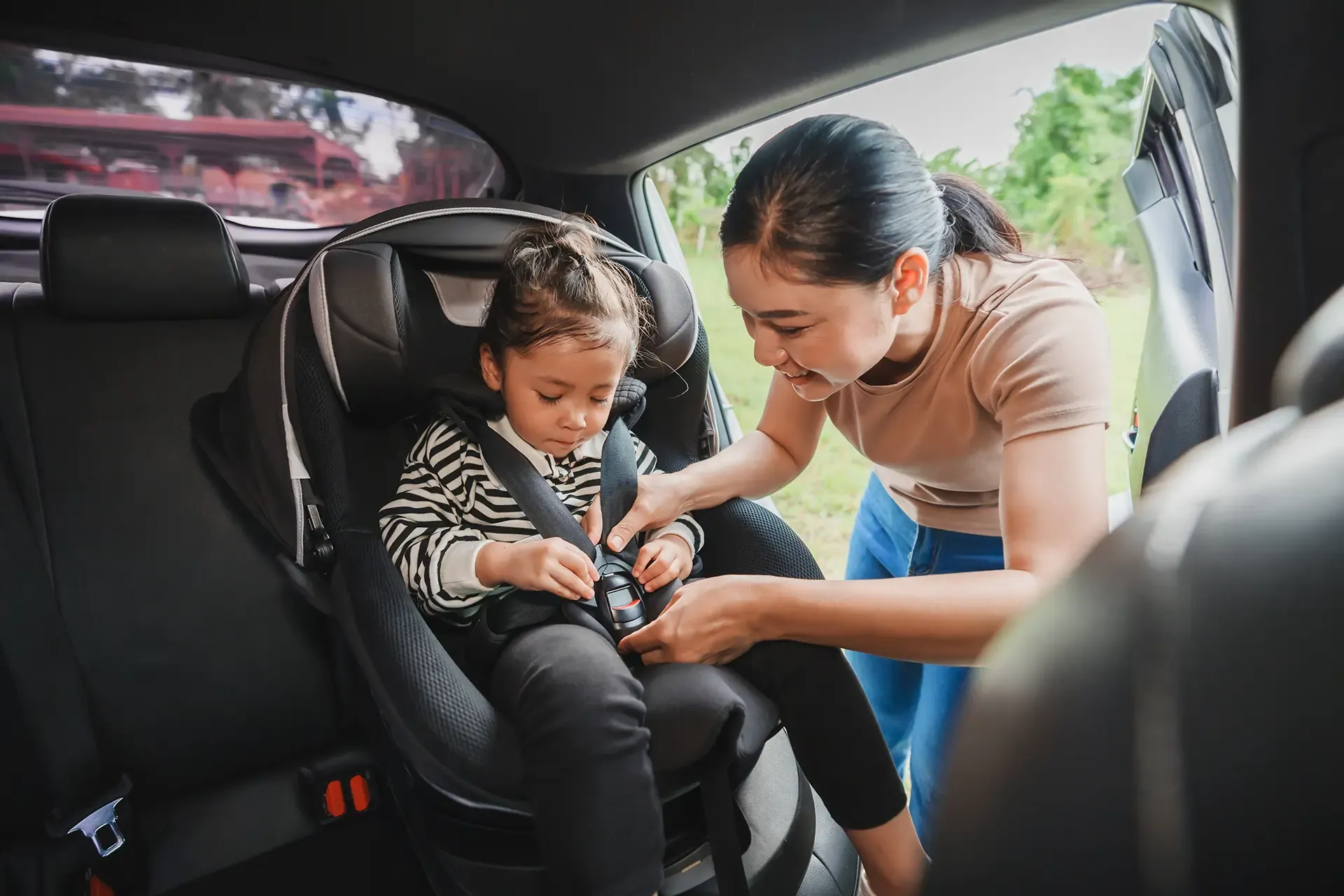
As a parent, keeping your child safe in the car is one of the most important things you can do. But knowing exactly which car seat is legally required, and which type is safest, can be confusing as children grow. Illinois law sets clear requirements, and the American Academy of Pediatrics has issued guidelines that in many cases go further than the law requires.
Understanding both gives parents the best chance of protecting their child, and knowing your legal rights matters if something goes wrong.
Illinois Car Seat Laws: What the Statute Requires
Illinois car seat requirements are governed by 625 ILCS 25/4, the Child Passenger Protection Act. The law requires the following:
Children under age 2 must be secured in a rear-facing car seat. This applies unless the child has reached the maximum height or weight limit allowed by the car seat manufacturer, in which case a forward-facing seat with a harness may be used.
Children ages 2 through 3 who have outgrown a rear-facing seat must use a forward-facing car seat with a harness.
Children ages 4 through 7 who have outgrown their forward-facing harness seat must use a belt-positioning booster seat.
Children ages 8 through 15 must be secured by a seat belt at all times.
All children under age 8 must ride in the back seat when a front passenger airbag is present, unless the vehicle has no back seat.
Violations of the Child Passenger Protection Act in Illinois carry fines, and the driver of the vehicle is responsible for compliance, not just the child's parent or guardian if they are not driving.
What the AAP Recommends in 2026
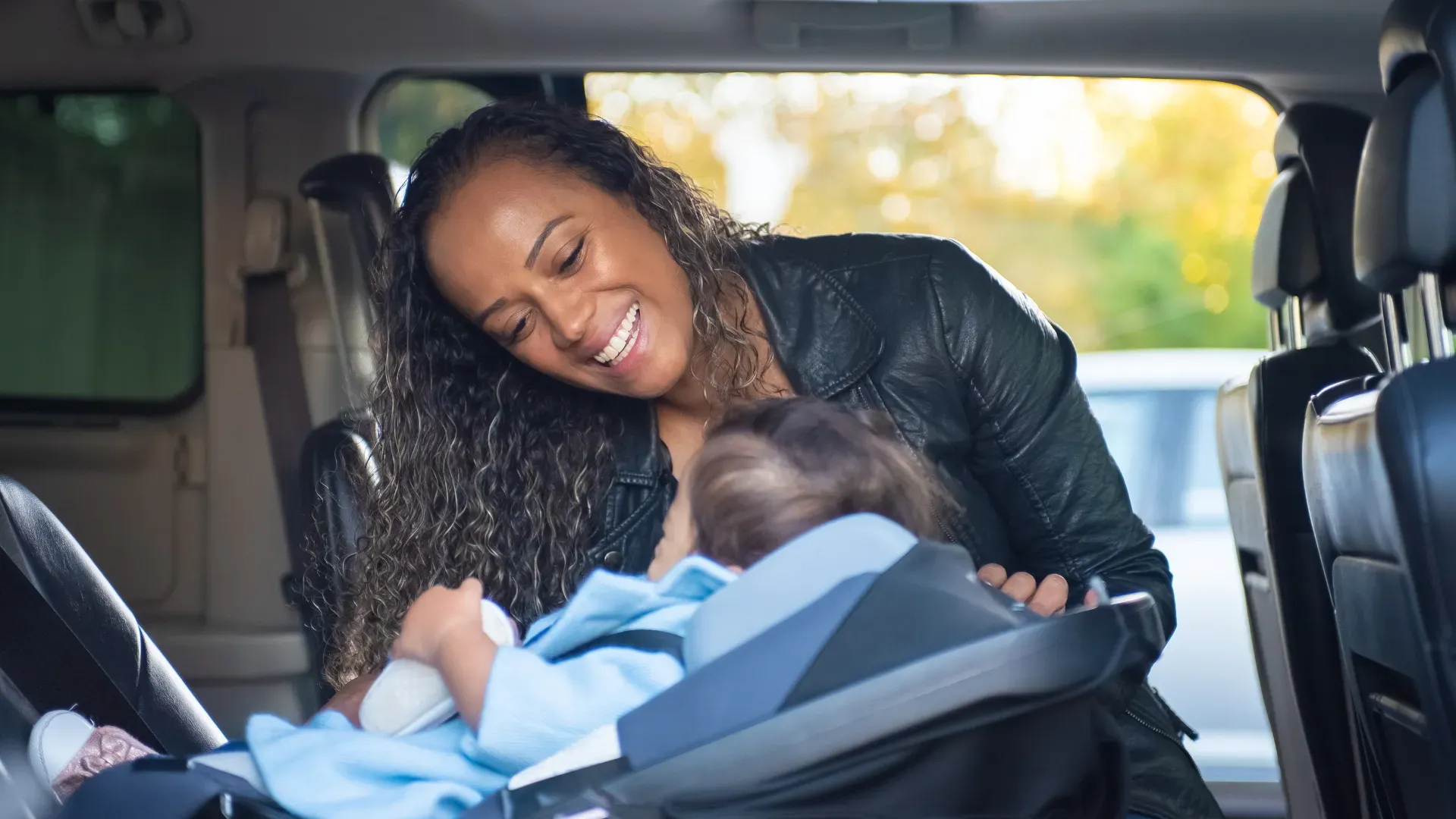
The American Academy of Pediatrics guidelines generally exceed what Illinois law requires, and following them gives children a higher level of protection. The current AAP recommendations are:
Rear-facing as long as possible: The AAP recommends keeping children in rear-facing car seats for as long as the seat's height and weight limits allow, not just until age 2. Rear-facing seats provide significantly better protection for a child's head, neck, and spine in a frontal crash.
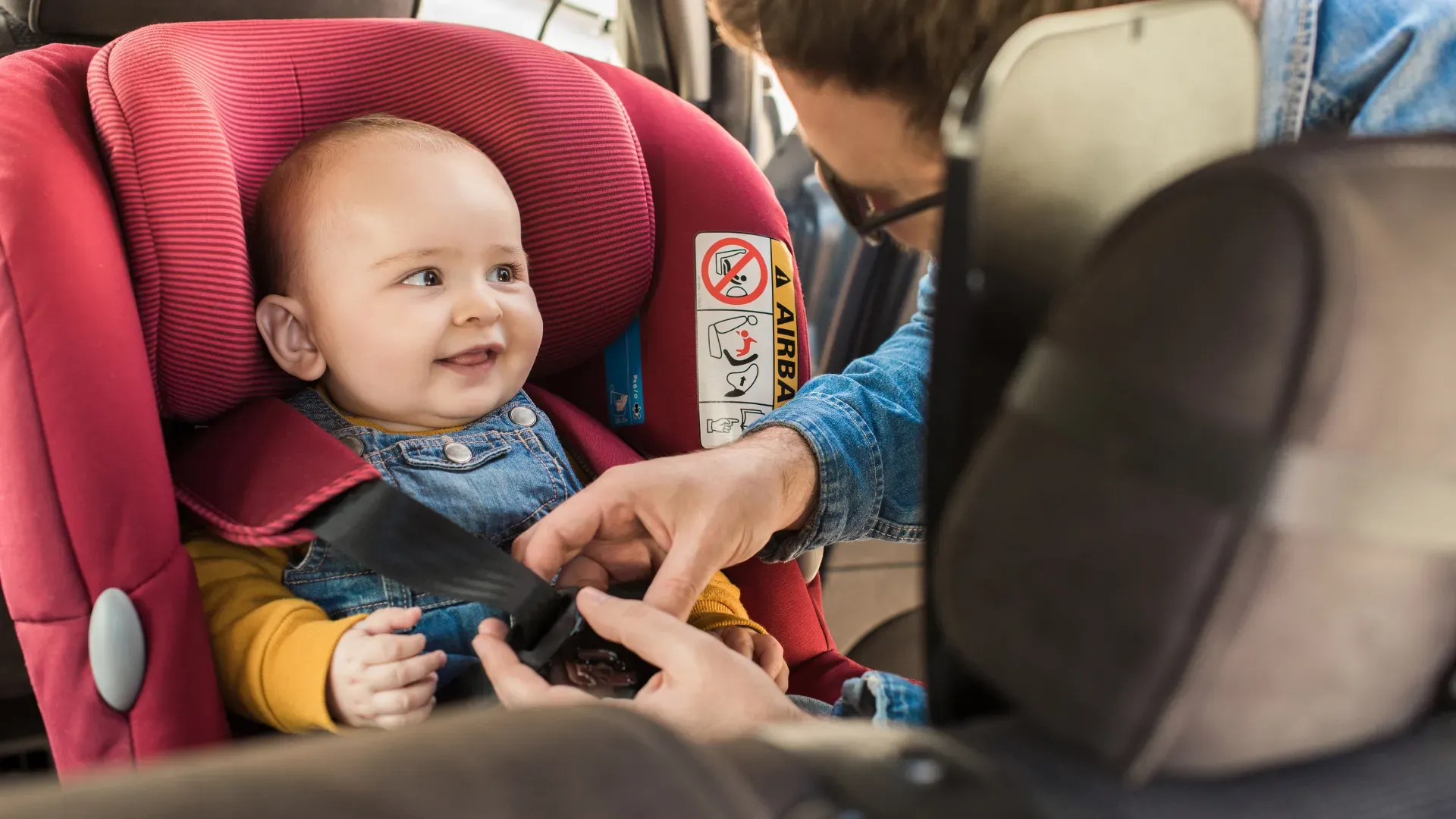
Forward-facing with harness until the limits are reached: Once a child outgrows a rear-facing seat, they should move to a forward-facing seat with a harness and stay in it until they reach the seat's maximum height or weight limit.
Booster seat until the seat belt fits correctly: Children should use a belt-positioning booster seat until the vehicle's lap and shoulder belt fits them properly, which typically happens between ages 8 and 12 and when a child reaches at least 4 feet 9 inches tall.
Seat belt in the back seat: All children under 13 should ride in the back seat whenever possible. The back seat remains the safest position in most crash configurations.
The AAP also recommends that parents read the manufacturer's instructions for their specific car seat model, as height and weight limits vary across products. Registering the seat with the manufacturer allows parents to receive recall notifications, which matters given that defective car seats have been the subject of product liability actions.
What Happens If a Child Is Injured in a Car Accident in Illinois
Even when parents follow every guideline, accidents happen. If a child is injured in a car accident caused by another driver's negligence, Illinois law allows the child's parent or guardian to pursue a personal injury claim on the child's behalf.
Recoverable damages can include emergency medical care, ongoing treatment, pain and suffering, and, in serious cases, long-term care costs and the impact on the child's development. Illinois also has a special rule for minors: the statute of limitations does not begin to run until the child turns 18, giving families more time than in standard adult personal injury cases, though acting sooner preserves evidence and witness accounts.
If the car seat itself failed during the crash, a separate product liability claim may be available against the manufacturer. Defective car seats, improper labeling, and inadequate warnings have all been the basis for product liability cases in Illinois.
If the child was injured while riding in a school bus or other vehicle operated by a school or government entity, different rules apply, including notice requirements under the Illinois Tort Immunity Act.

Was Your Child Hurt in a Car Accident in Illinois?
Whether the crash was caused by a negligent driver or a defective car seat, Illinois law gives your family the right to pursue compensation. The attorneys at Salvi & Maher, LLP handle car accident cases involving children throughout Lake County and Northern Illinois.
If Your Child Was Injured in a Car Accident in Northern Illinois
The attorneys at Salvi & Maher, LLP represent families throughout Lake County, Cook County, and Northern Illinois in car accident cases involving children. The firm understands that these cases carry emotional weight that goes beyond the legal process, and the team works to handle every aspect of the claim so families can focus on their child's recovery.
If your child was hurt in a car accident caused by someone else's negligence, contact Salvi & Maher, LLP to speak with an attorney about your options.